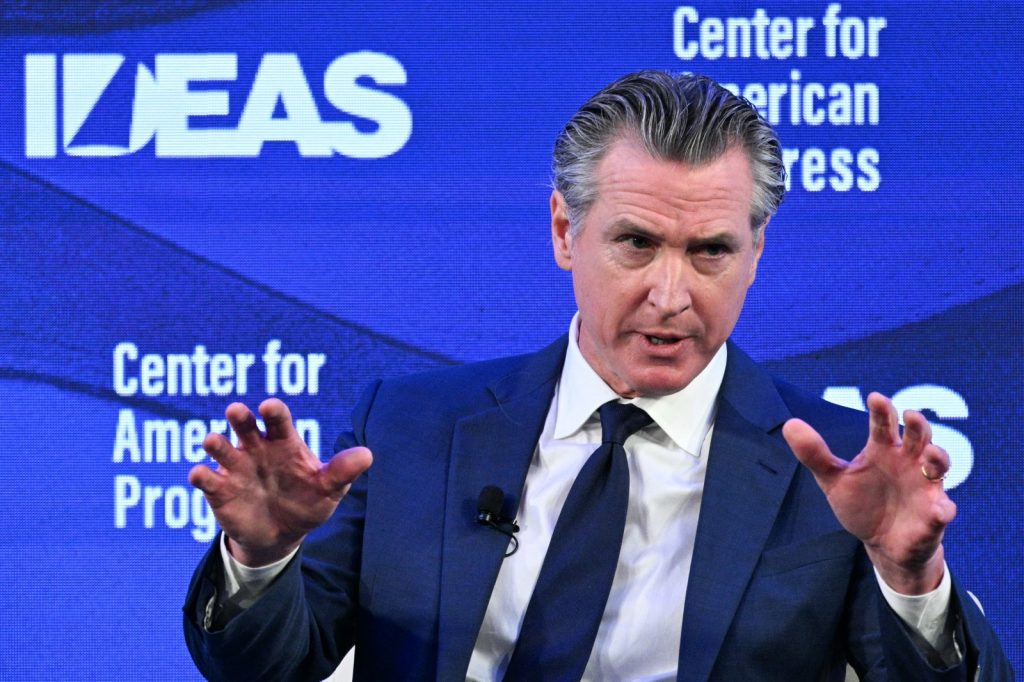
California has warned its workforce that the state must brace for the economic impacts of artificial intelligence, bucking trends at the private and federal level which have leaned into widespread adoption and heavy investments in the technology.
On Thursday, Governor Gavin Newsom signed an executive order urging statewide preparations for the “economic disruption that artificial intelligence will bring to the workforce.” The order directs state agencies to work with businesses, labor experts, economists and universities to identify vulnerabilities in California’s economy and develop ways to mitigate AI’s most harmful workforce effects.
Newsom said the order marks a turning point in how California and the wider U.S. should respond to the technology. “This moment demands that we reimagine the entire system—how we work, how we govern, how we prepare people for the future—and that work is starting right here in the Golden State,” reads Newsom’s statement.
AI Optimism Collides With Job Market Fears
Within the U.S., AI adoption continues to accelerate at breakneck pace. Corporate investments in the technology—primarily data center and infrastructure outlays—are projected to surpass $1 trillion in 2027. And this enthusiasm has been mirrored at the federal level, with the administration of President Donald Trump putting billions of dollars toward cementing the country’s global dominance in AI.
But this spending boom has coincided with growing fears that the adoption of AI could lead to an overhaul of the U.S. job market. A Quinnipiac University poll from March found that seven in 10 Americans believe AI will make it harder for people to find employment, with the highest level of concern coming from the younger age groups.
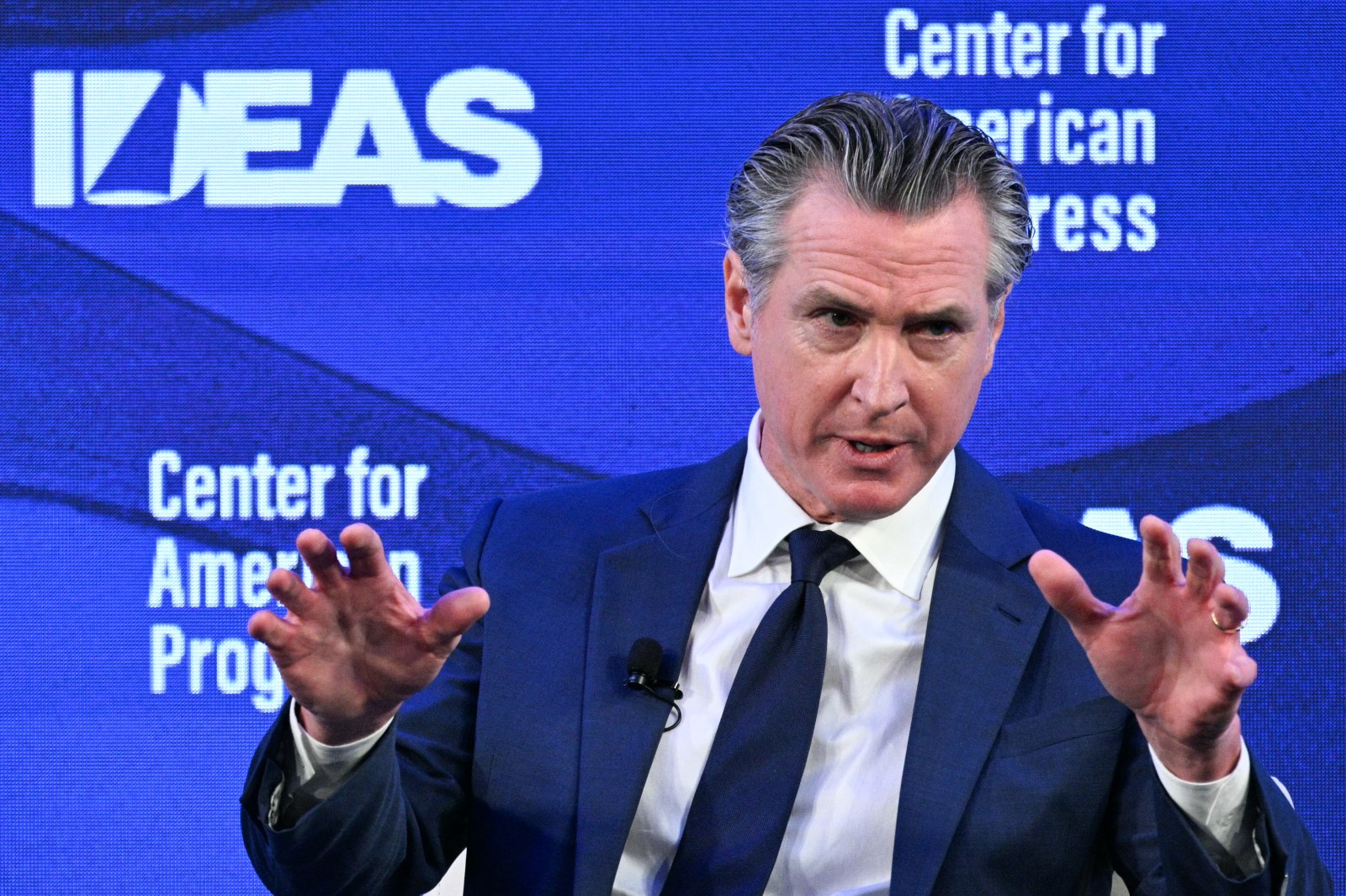
But Thursday’s first-of-its-kind directive shows that California has acknowledged such fears and is treating AI as an economic risk as well as an opportunity.
Officials in certain cities, notably New York and Seattle, have warned about the potential impacts on their respective job markets from the ongoing AI build-out, while considering guardrails to ensure that policy can keep pace with the technology’s rapid development.
“Politicians everywhere are concerned about the impact AI will have on people’s livelihoods,” Diane Coyle, professor of public policy at the University of Cambridge, told Newsweek. “After all, the tech leaders themselves are telling us how massively disruptive this might be.”
Newsom’s order lands as layoffs tied to AI continue to mount and fears over a white-collar wipeout grow.
Several of America’s largest tech conglomerates have announced widespread job cuts in 2026, while citing a strategic shift toward AI-related investments and the ability to rely on the technology over their traditional workforce. And California—still the sector’s dominant power—has also experienced some of this year’s largest cuts.
What Does Newsom’s Order Mean for California?
The executive order notes that California remains home to many of the world’s most prominent AI firms, observing that “33 of the top 50 private AI companies in the world” are based in the Golden State.
However, Thursday’s announcement said that the benefits afforded by this dominance come with a heightened need to create “commonsense guardrails” that will limit any economic fallout.
Newsom’s order lays out a broad agenda focused on education as well as action, directing agencies to develop a coordinated response to potential workforce pressures and to help workers “share in the gains made from AI adoptions.”
The order calls for expanding worker ownership models, increasing AI training and helping small businesses adopt the new technologies. It also mandates new means of tracking AI’s workforce impact, including a public dashboard and a report identifying early “warning signals” of job disruption, as well as possible updates to existing labor laws.
It suggests that workers could be provided an expanded “safety net” that incorporates severance packages or stakes in a company in response to “possible employment and workforce disruption.”
According to Coyle, assessing the impact of AI on employment is “a top priority,” and one that tech firms themselves should be involved in.
“This needs to go alongside policymakers and others figuring out how to make sure people who are affected can reskill or find other work—and how to pay for this assistance,” she told Newsweek.
Newsom described his order as “the first step” in California’s efforts to navigate the potential economic consequences associated with AI.