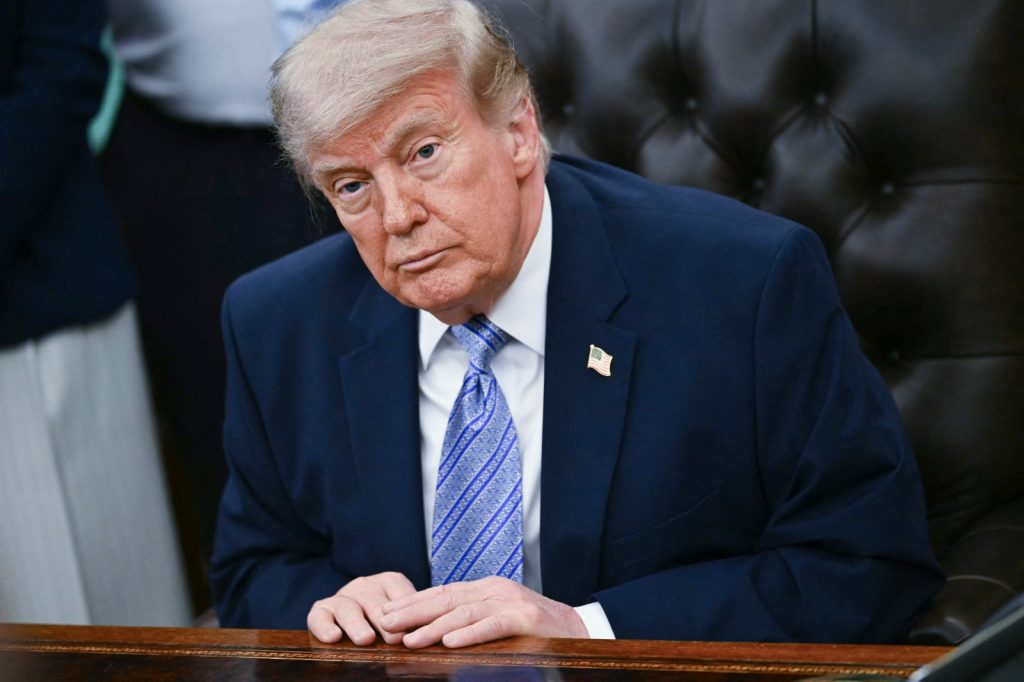
Judges dismissed two separate voter roll lawsuits filed by President Donald Trump‘s Department of Justice (DOJ) in Maine and Wisconsin, in what marks another legal setback in the administration’s broader push to force states to hand over detailed voter registration data.
In Wisconsin, U.S. District Judge James D. Peterson said the state’s voter registration list was not a record that can be requested under federal law provisions cited by the DOJ, following similar cases in Arizona and other states where courts have limited federal access to sensitive voter data.
Meanwhile, in Maine, Chief U.S. District Judge Lance Walker granted a state motion to dismiss the government’s claim, which he called “half-hearted.”
The DOJ has filed lawsuits against more than 30 states and the District of Columbia in an effort to compel the release of expanded voter data, including dates of birth, residential addresses, driver’s license numbers and partial Social Security numbers.
The administration has argued voter registration information is needed to ensure states are complying with federal election laws, particularly provisions requiring maintenance of accurate voter rolls, but the bid for voter files has raised questions about the limits of federal power and voter privacy protections ahead of the 2026 midterm elections.
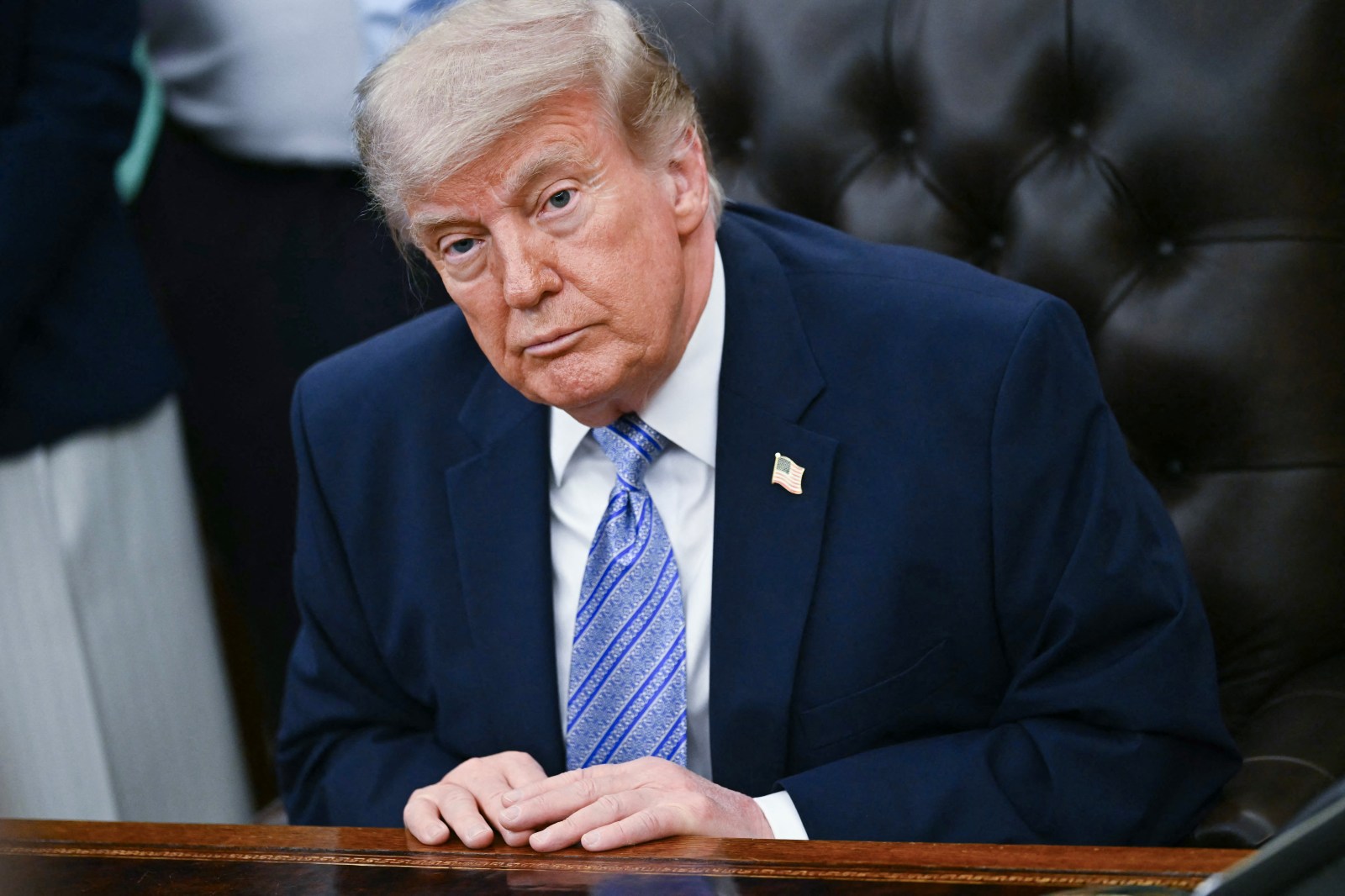
In April, a federal judge dismissed another DOJ lawsuit seeking access to Arizona’s detailed voter registration records. U.S. District Judge Susan Brnovich, a Trump appointee, ruled that Arizona’s statewide voter registration list is “not a document subject to request by the Attorney General” under federal law.
Meanwhile, judges have rejected or narrowed similar DOJ lawsuits in Rhode Island, California, Massachusetts, Michigan and Oregon. In Georgia, a federal judge dismissed the federal government’s case on procedural grounds after it was filed in the wrong city, prompting the DOJ to refile the lawsuit elsewhere.
Maine Ruling
The judgment follows Maine officials’ refusal in August 2025 to comply with a DOJ request for voter roll data, prompting the department to file suit the following month.
The DOJ had sought access to Maine’s voter registration data as part of its broader effort to obtain detailed voter records nationwide, but state officials argued that releasing certain information would violate privacy protections under state law and exceed what federal statutes require.

Judge Walker wrote in his decision, “Under our Constitution, states are the primary regulators and administrators of elections for federal office, unless Congress passes legislation that preempts that framework. And Congress’s power to do even that is itself subject to limitations.”
Maine Secretary of State Shenna Bellows, a Democrat who is running for governor, said in a statement: “Let me be clear—Trump and the DOJ may continue to try to interfere with free and fair elections run by the states. We will not let them.”
Wisconsin Ruling
Judge Peterson said that the DOJ had requested Wisconsin voter rolls citing Title III of the Civil Rights Act of 1960, which allows federal authorities to inspect certain election records in investigations into potential discrimination.
But in the May 21 opinion and order, Peterson wrote: “The court agrees that a voter registration list is not a record subject to production under Title III, so it will dismiss the complaint on that ground without considering defendants’ other arguments.”
The lawsuit sought Wisconsin’s full statewide voter registration database, including highly sensitive personal identifiers, which state officials refused to provide citing privacy protections.
Bianca Shaw, state director of Common Cause Wisconsin, one of defendants in the case, said in a statement the ruling “a massive victory for voter privacy and a rejection of federal overreach.”
“The decision ensures voters are protected from an unauthorized national database that would have been a goldmine for hackers and a tool for intimidation,” she added. “Our elections remain safe, secure, and in the hands of Wisconsinites where they belong,”

Why Does Trump Want To Acquire Voter Rolls?
The Trump administration has argued it needs voter registration information to verify that states are complying with federal election laws, including requirements to maintain accurate voter rolls and remove ineligible voters.
DOJ complaints have cited provisions of federal law, including the National Voter Registration Act and Civil Rights-era recordkeeping rules, as legal authority for the requests.
Opponents argue the requests violate state and federal privacy protections and unnecessarily expose sensitive personal information without clear statutory authority.
Despite repeated court setbacks, some states have agreed to cooperate. At least 13 states have either provided or pledged to provide detailed voter registration data to the Justice Department: Alaska, Arkansas, Indiana, Louisiana, Mississippi, Nebraska, Ohio, Oklahoma, South Carolina, South Dakota, Tennessee, Texas and Wyoming.